This week we covered topics of industrialization, knowledge production, and mechanization in the context of robotics and art. In lecture 1 we were introduced to different inventions of the industrialization and mechanization period including the camera, the automobile, and eventually cyborgs. Walter Benjamin, a literary critic and philosopher, gave an interesting perspective on how mechanical reproduction contributes to a “withering of the aura” and authenticity in art, which he further elaborates in his essay “The Work of Art in the Age of Mechanical Reproduction.” Benjamin is able to view this as both a positive and negative change – this development makes art more accessible to a broader audience, but more liable to exploitation and devaluation of the “original.”
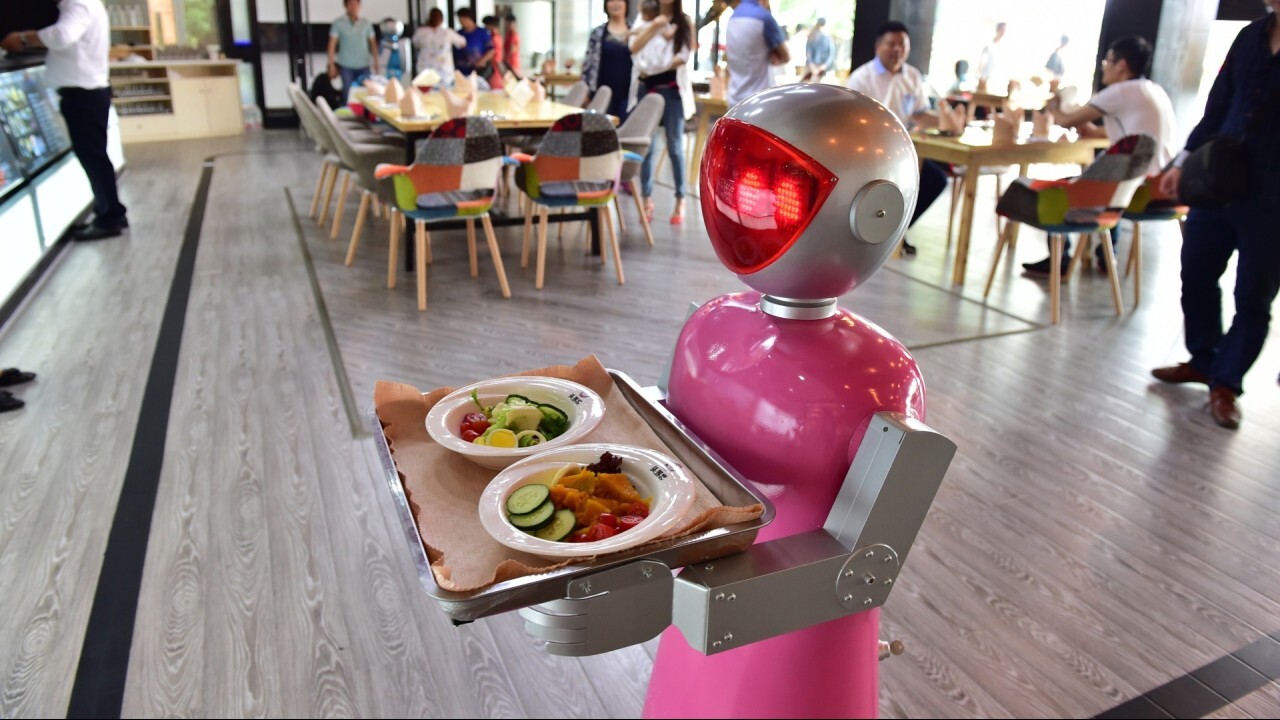
Lecture 2 introduces the concept of cyborgs which are different from robots because there is an effort to give human qualities to their appearance and behavior. With cyborgs especially, there is a worry that these human-like creations will gain sentience, awareness, and/or take over not just jobs, but the world, eventually. The Ted Talk titled “Hod Lipson builds self-aware robots”, shows robots can be designed and programmed to learn and begin to understand themselves, even opting for self-replication. This section of the lecture and the Ted Talk reminded me of a very popular video game called Detroit: Become Human. The premise of this video game is that cyborgs have gained sentience and want the same freedoms and rights as human people do, which they in turn have to fight for. The video game explores the philosophy on what it means to be human and to be real. An article from medium.com explores more of the philosophy behind this game, adding that the idea of consciousness and authenticity has long been critically thought about before artificial intelligence, but its creation has added a new layer of complexity.

References:
Augis, Fred. “Robot Concept Art / Space Travellers.” ArtStation.com, 2017, https://www.artstation.com/artwork/V43oX. Accessed 21 Apr. 2023.;
Becker, Tim. “Detroit: Become Human and Philosophy on Artificial Intelligence.” Medium.com, 20 Aug. 2019, https://medium.com/swlh/detroit-become-human-and-philosophy-on-artificial-intelligence-9d8e354b3ddf. Accessed 21 Apr. 2023.;
Benjamin, Walter. The Work of Art in the Age of Mechanical Reproduction. 1936.;
Getty Images. Bbc.com, 6 Apr. 2016, https://www.bbc.com/news/blogs-news-from-elsewhere-35980105. Accessed 21 Apr. 2023.;
Lipson, Hod, director. Hod Lipson: Robots That Are "Self-Aware". Youtube.com, 2007, https://www.youtube.com/watch?v=lMkHYE9-R0A. Accessed 21 Apr. 2023.;
Stanarevic, Srdjan. “Detroit: Become Human.” GosuNoob.com, 17 Dec. 2020, https://www.gosunoob.com/detroit-become-human/detroit-become-human-review-my-guilty-pleasure/. Accessed 21 Apr. 2023.;
Vesna, Victoria. “Lectures Part 1.” Unit 3. 2023.;
Vesna, Victoria. “Lectures Part 2.” Unit 3. 2023.;

Comments
Post a Comment